Cartier Cheich
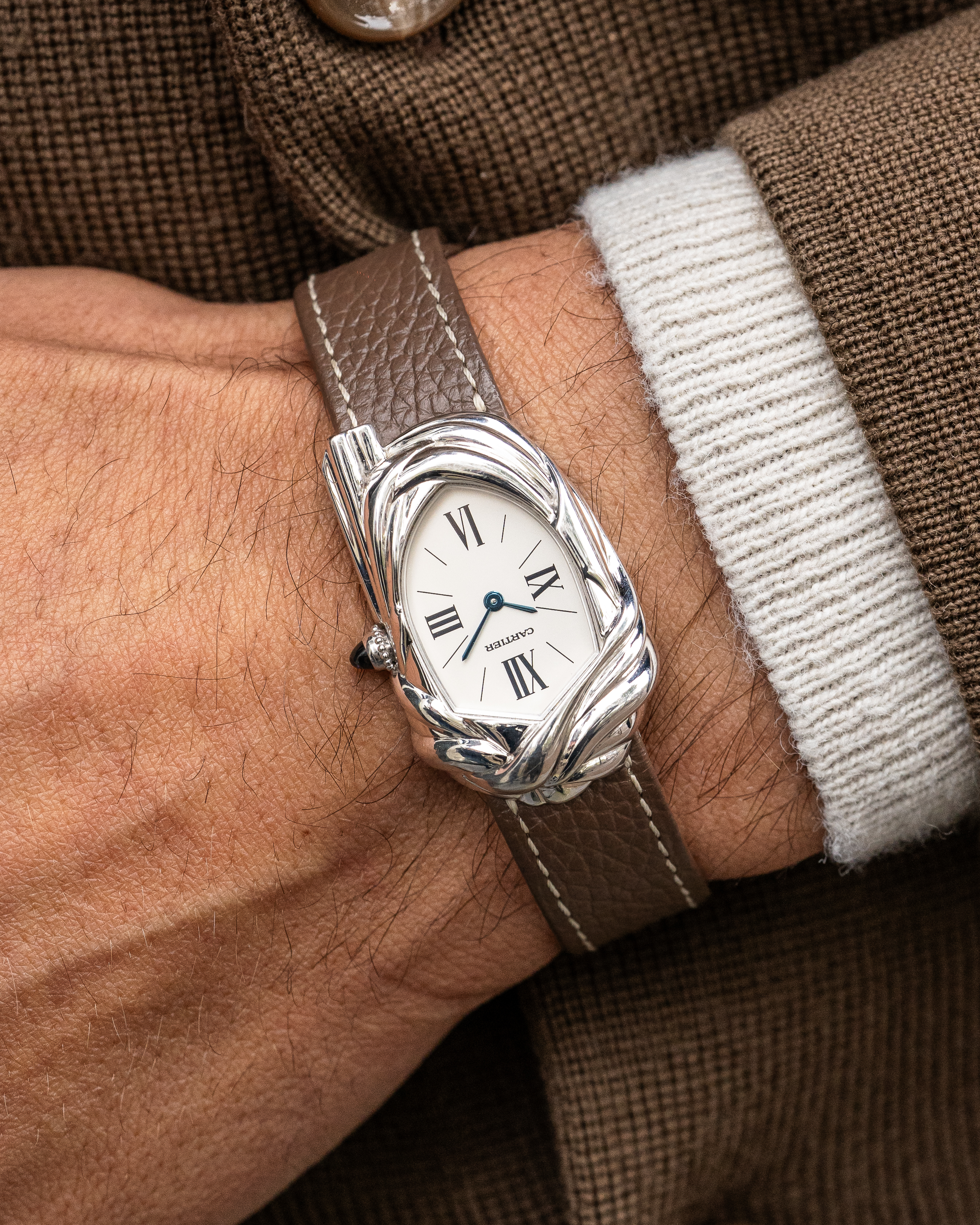
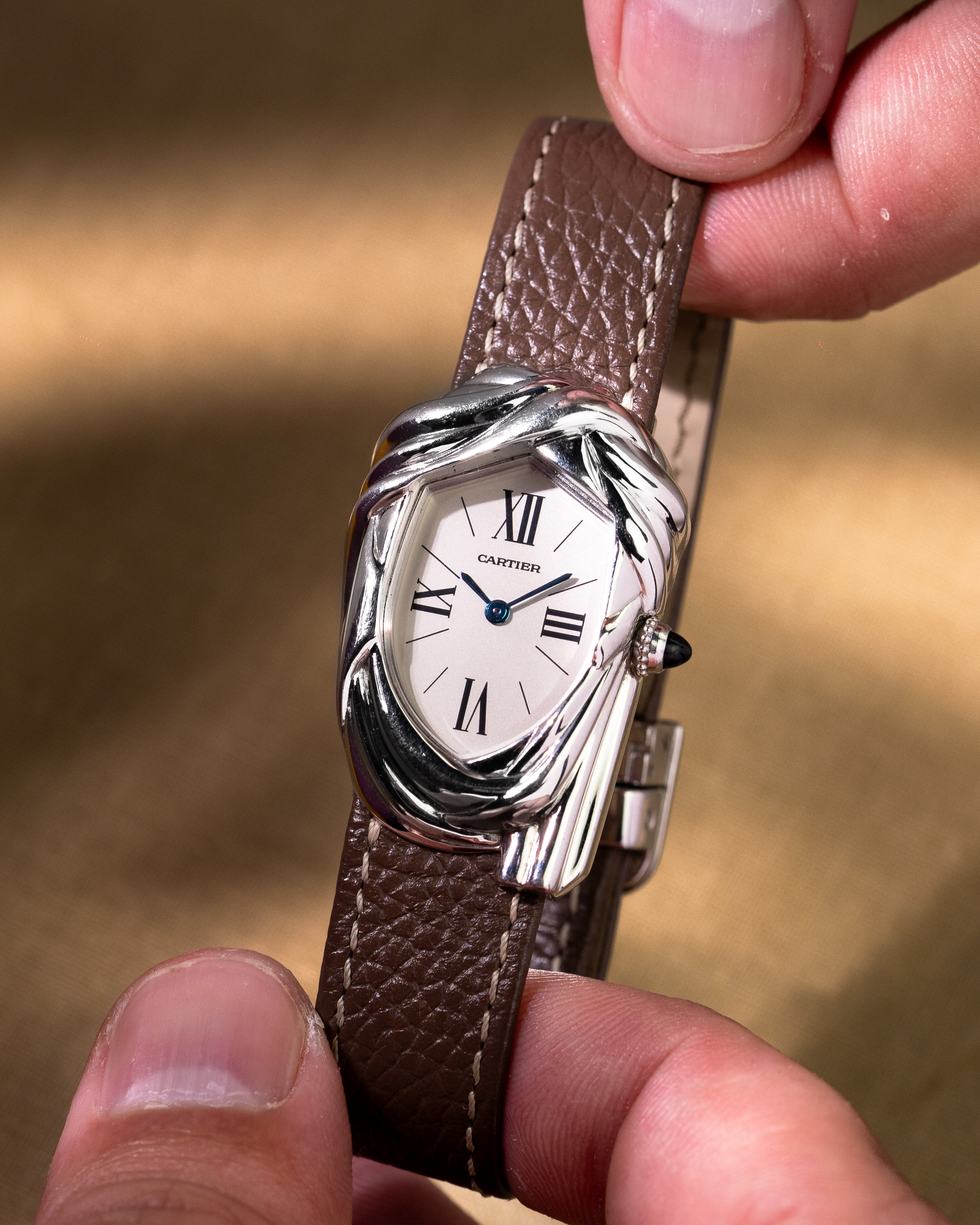
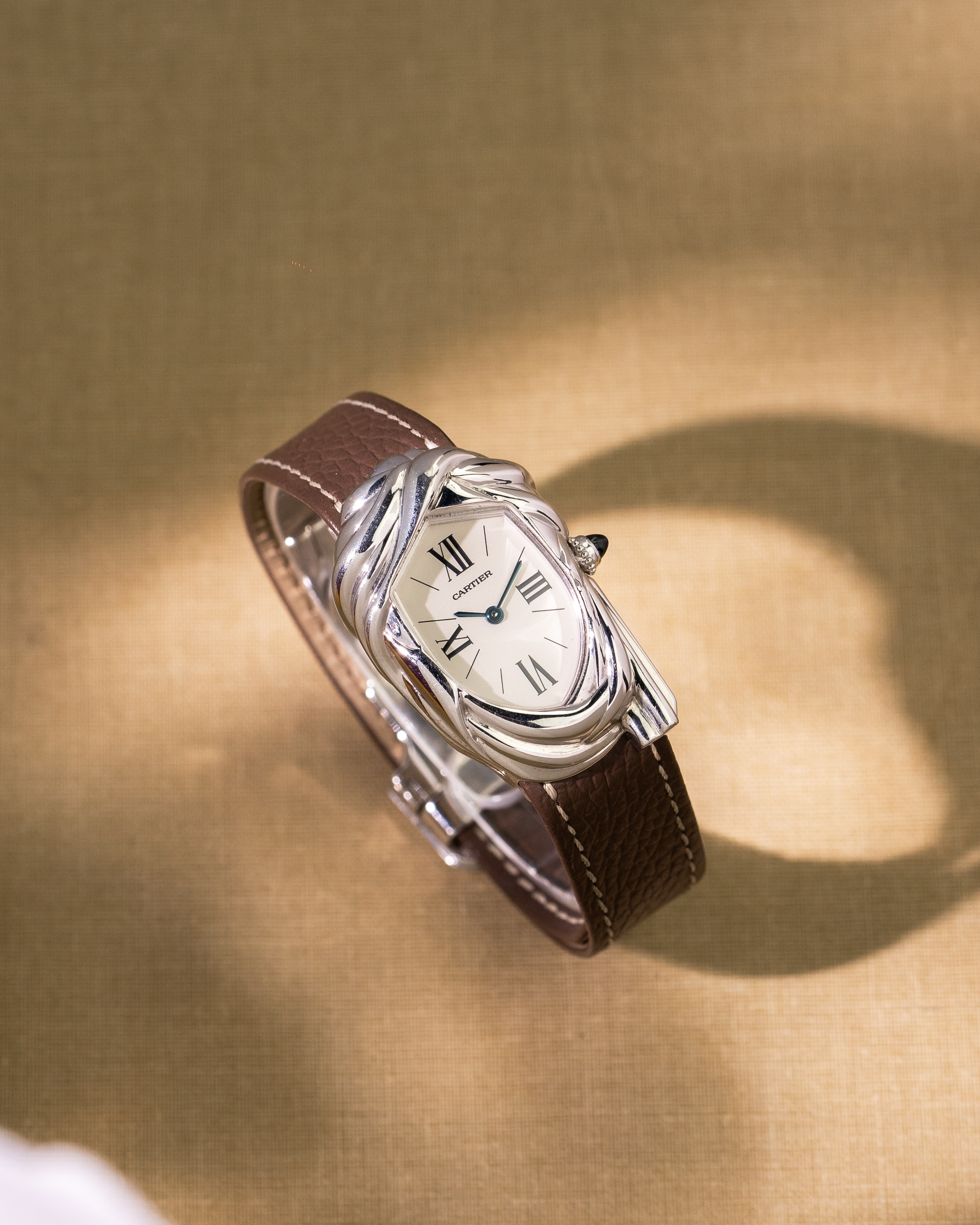
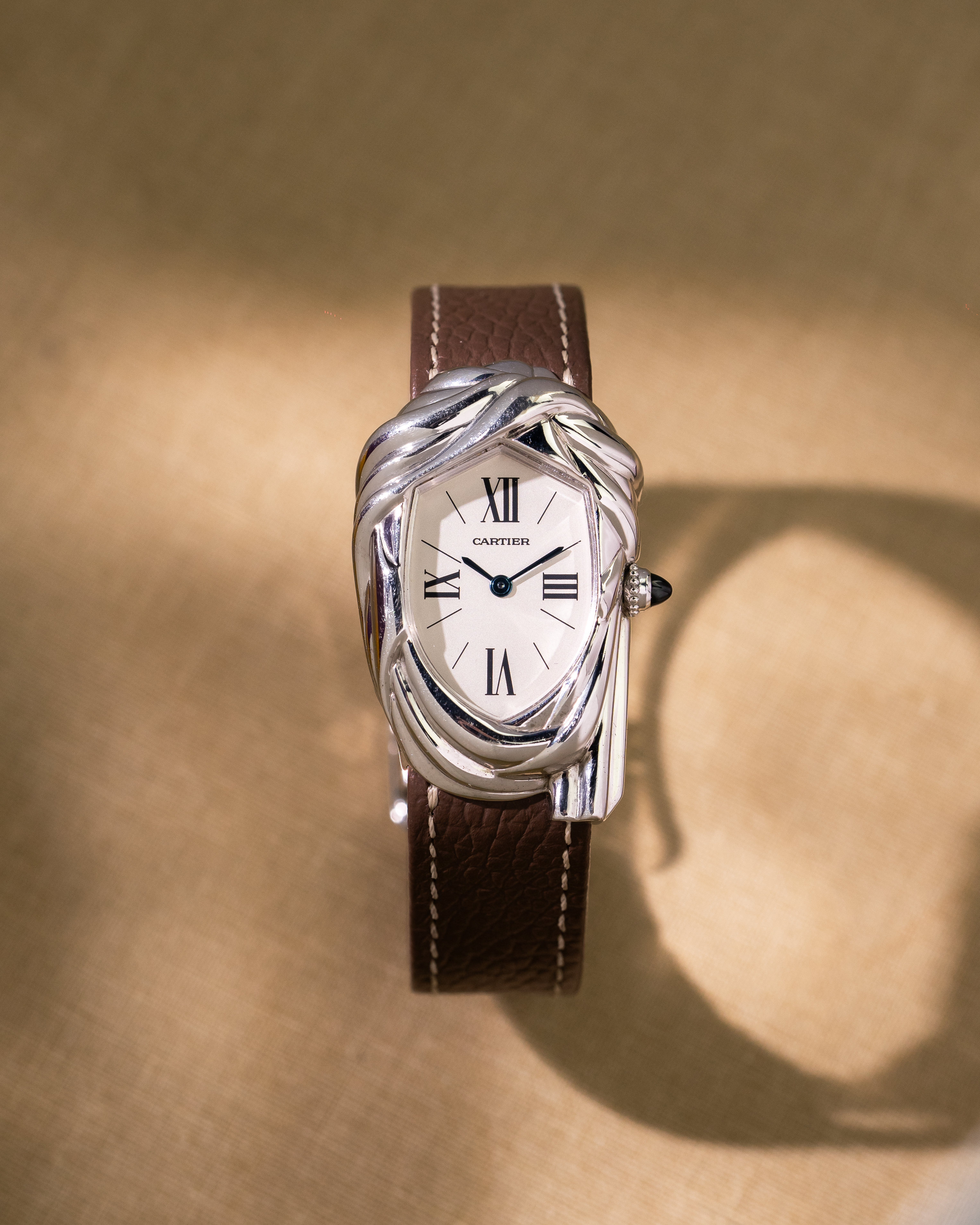
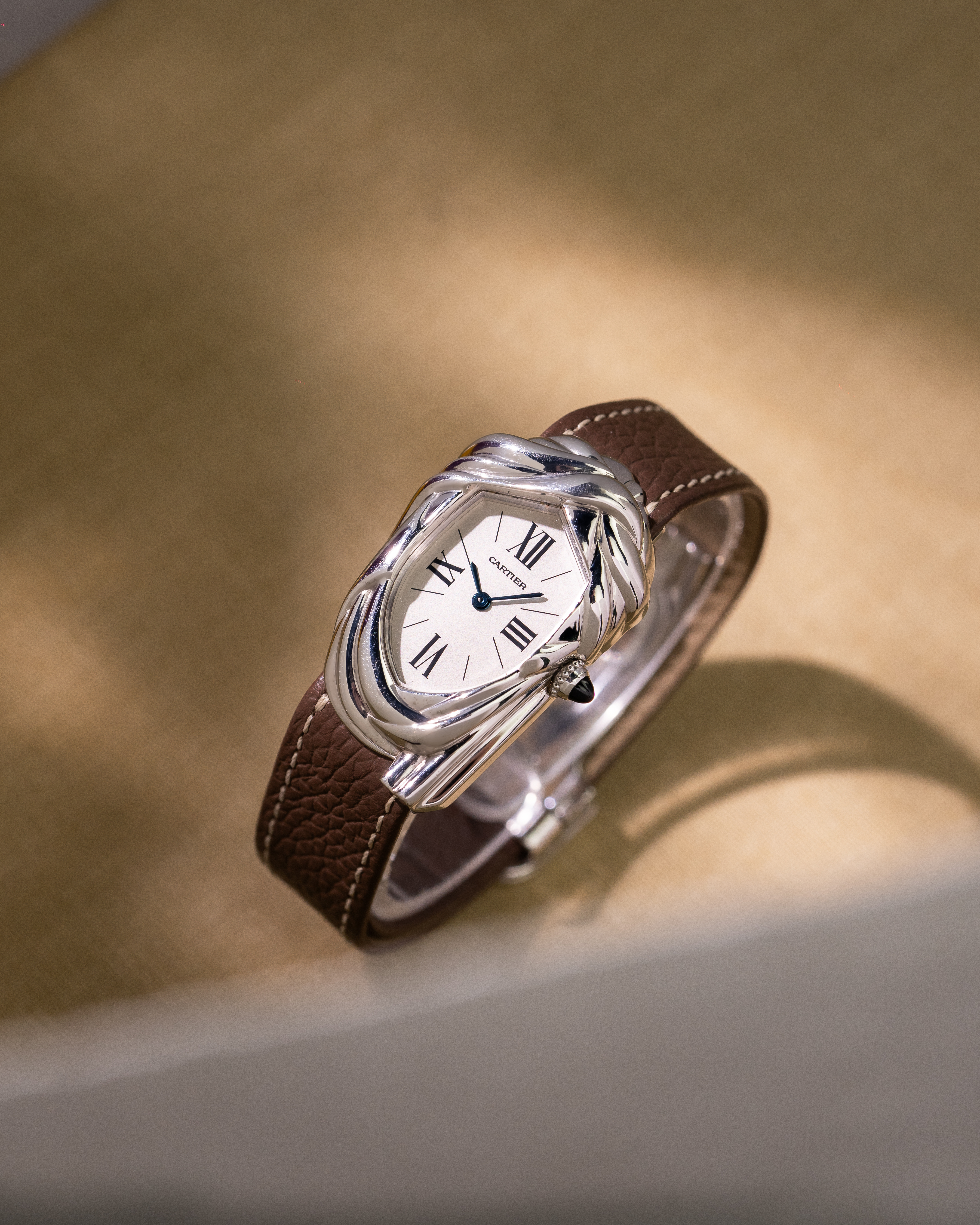
A unique Cartier in white gold, originally conceived for exceptional rally winners, yet in this metal, only a single example was ever created for an equally exceptional collector.
An Unexpected Discovery
During a lunch with Alessio Zenga in 2022, he discreetly handed us a red pouch under the table. What we discovered inside left us momentarily speechless: a previously unknown example of the highly coveted Cheich. Just weeks earlier, a Tridor version had been acquired by Eric Ku, achieving over a million dollars at a Sotheby’s auction. But what makes this sculptural model so elusive?
The Story Behind It
The Cheich was designed by Jacques Diltoer, then Creative Director of Cartier. Its form draws inspiration from the traditional headscarf worn by Tuareg men - an aesthetic that also inspired the logo of the Dakar Rally. This grueling and dangerous race once began in Paris, home to one of history’s most celebrated jewellers. The idea for the “Cartier Challenge” came from the company’s CEO at the time, Dominique Perrin: any competitor who won the rally in consecutive years would be awarded this extraordinary timepiece.
That remarkable feat was achieved only once.
As a result, just four original examples exist: the piece awarded to Gaston Rahier, a successor model created in anticipation of a repeat victory, a smaller diamond-set version for the women’s race, and one made for Thierry Sabine, the rally’s founder. No one ever claimed the challenge again, and following Rahier’s tragic death in a helicopter crash, the initiative was discontinued. Two Cheichs remain in Cartier’s archives, while Sabine’s example is believed lost.
And yet… there is a fifth.
No. 1
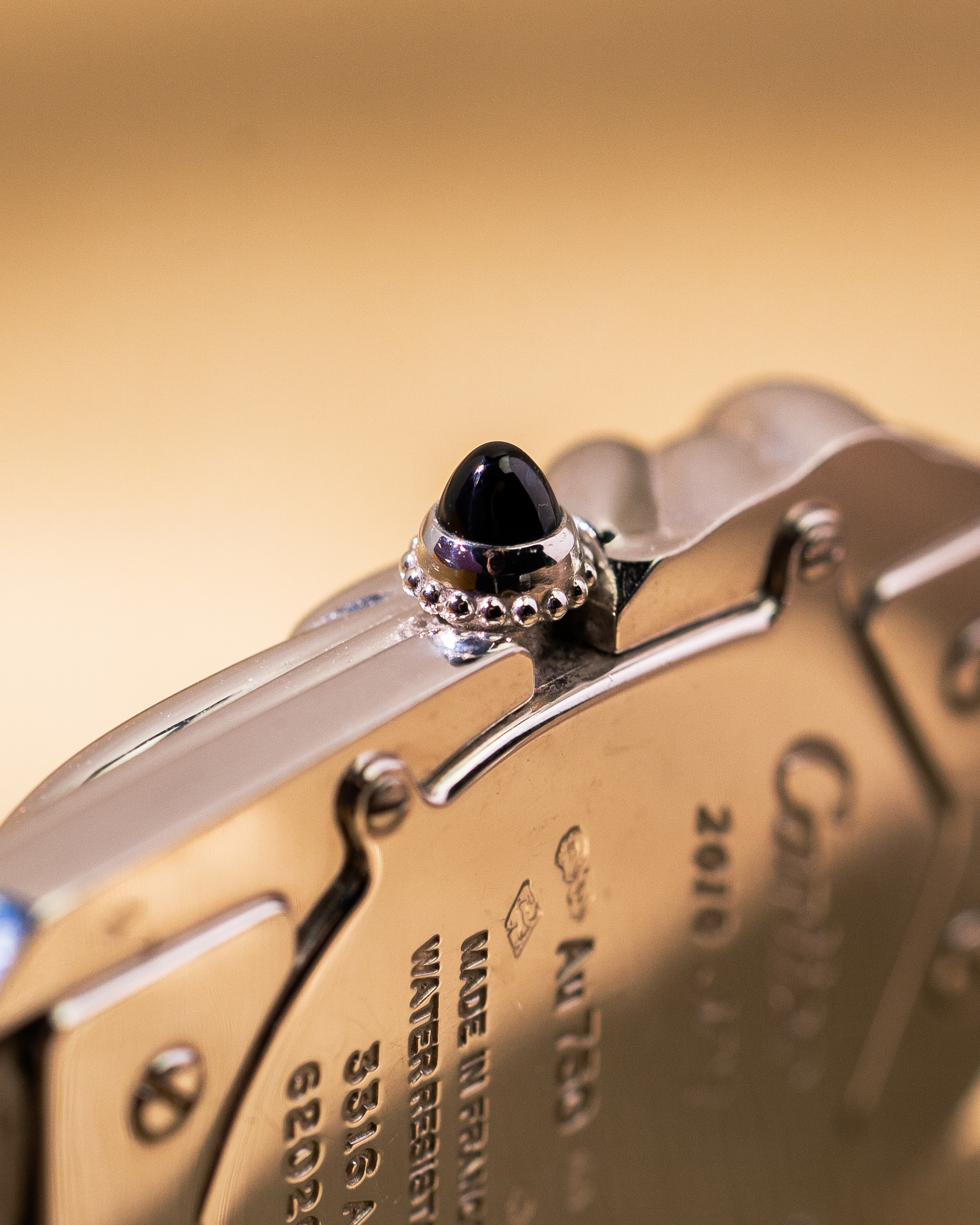
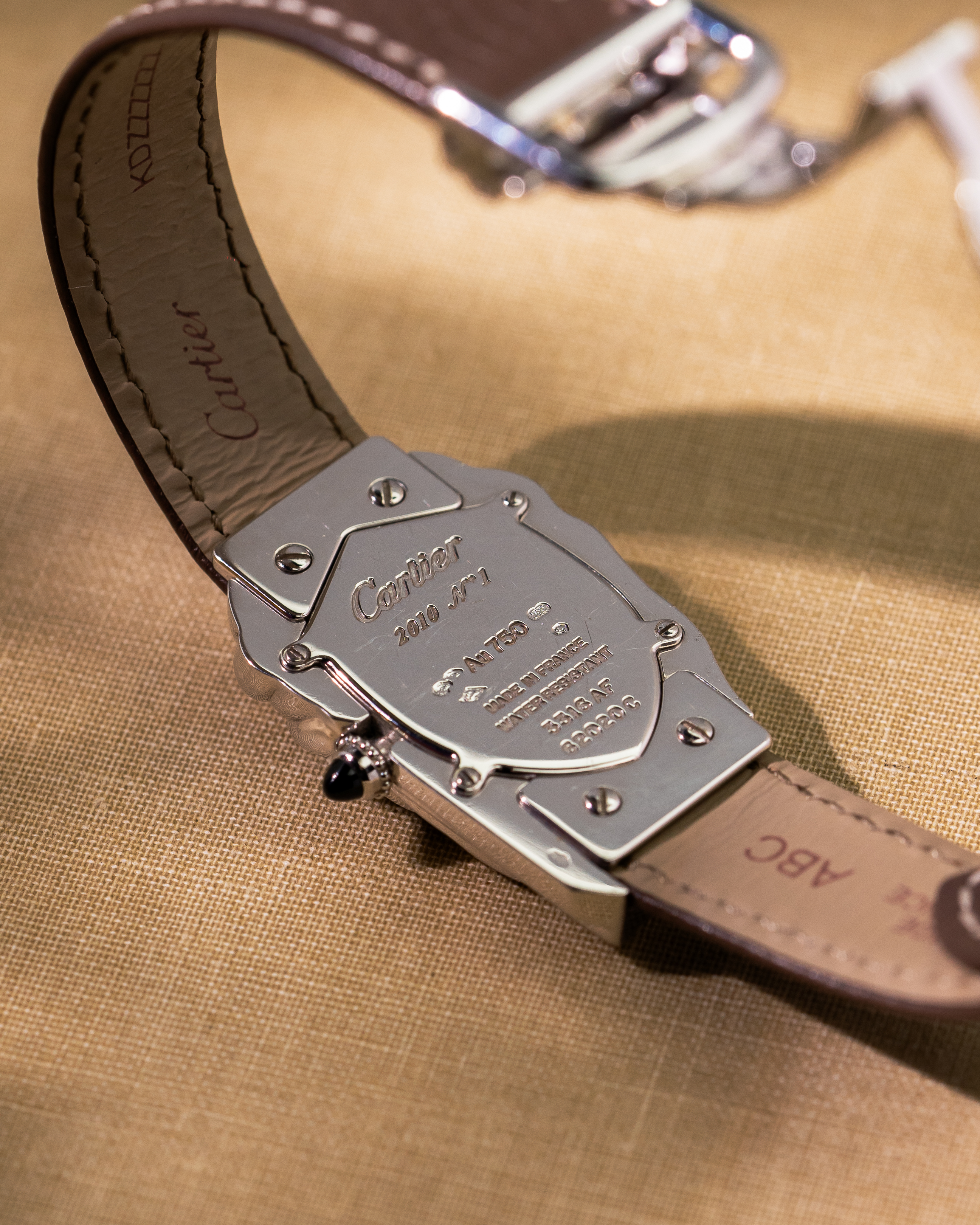
This piece is engraved “No. 1” on the back of its 18k white gold case, alongside the year 2010, marking its creation. It was commissioned as a special order for Giorgio Seragnoli, who is arguably the most important collector of white-metal Cartiers. Following the publication of his celebrated Cartier Bianco book, co-authored with Osvaldo Patrizzi, Seragnoli was granted the rare opportunity to revive this extraordinary design. This time in his metal of choice.
Tragically, financial hardship intervened, and he was unable to acquire the very piece he had helped bring into existence. The watch ultimately passed to another Italian collector, remaining in Milan before finding its current home.
Art
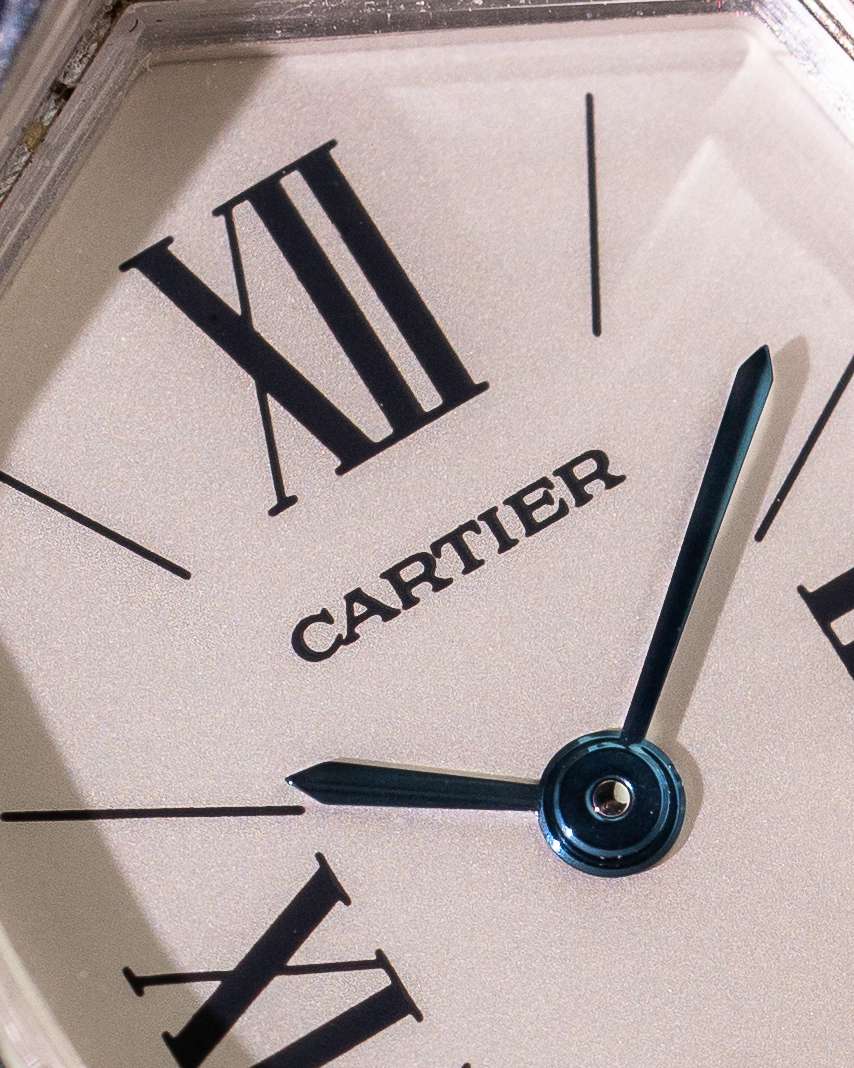
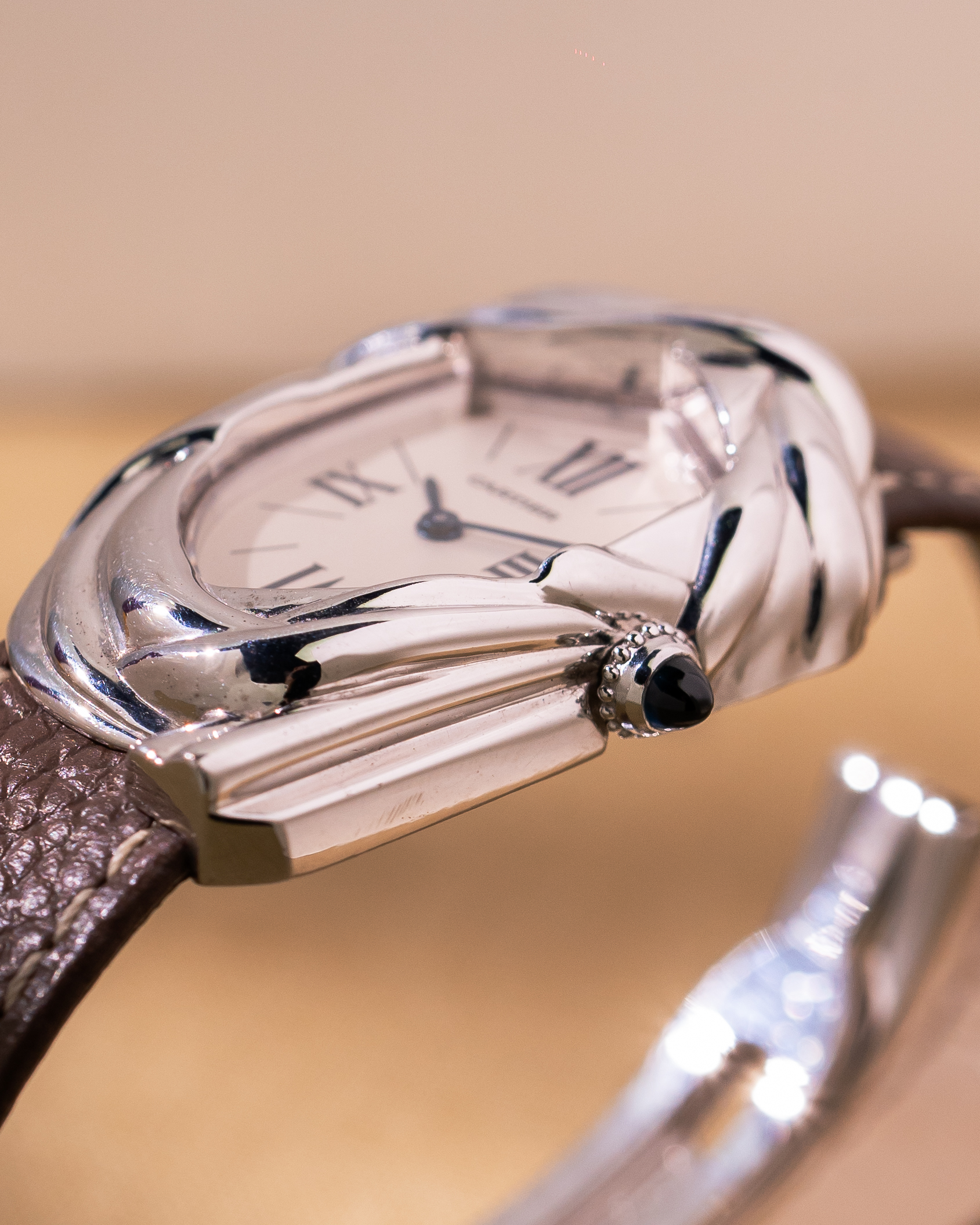
On the wrist, it delivers a striking presence, imbued with a sense of power that belies its size. The layered construction of the case creates a dynamic interplay of form and light, while retaining an unmistakable sense of refinement. One might even call it wearable art.
Above all, the thrill lies in uncovering something thought not to exist.
We remain deeply grateful to Mr. Zegna for granting us the privilege of experiencing this extraordinary piece firsthand, before sharing its story with the world.